



Konstantin Grcic
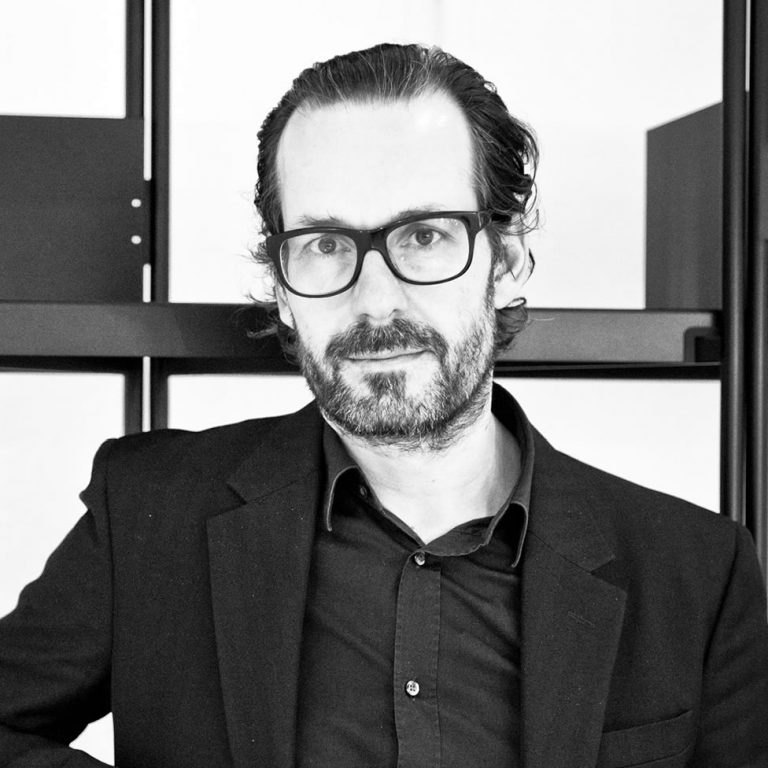
As a child, Konstantin Grcic loved building things. After high school, he began working for a restorer of antique furniture, “because I wanted to learn how to do things properly,” he recalls. That led him to an apprenticeship with a cabinetmaker, where he discovered something he liked even more than building: design. He then went to the Royal College of Art in London, where he found his true passion: designing furniture.
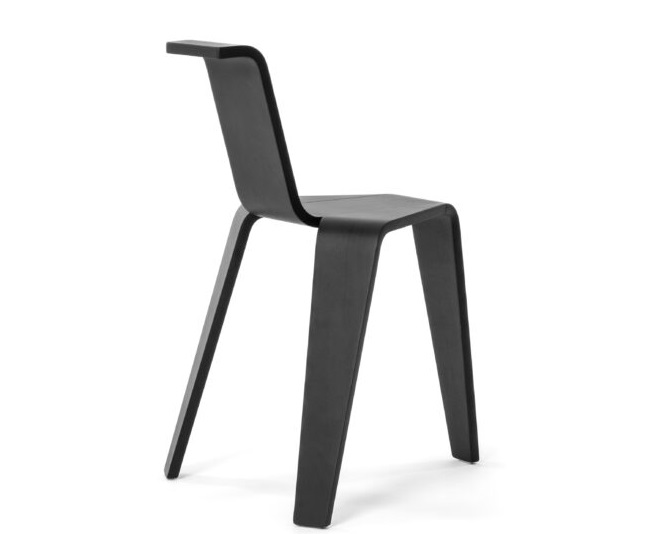
His work is known for logical thinking, material honesty, and respect for production methods, and his client list reads like the “who’s who” of furniture and homewares: Authentics, Flos, Iittala, Krups, Lamy, Magis, Moroso, Muji, Plank, and Vitra, among others.
His partnership with Magis led to one of the most interesting and creative chairs ever made: Chair_One. “This was a wonderful project to work on,” said Grcic, admitting that his relative youth (and naivety) took him down unexplored paths, with eyes wide open.
“This was possibly the first time a cast mold was used to make a chair. Normally this technology is used only for smaller components,” he explained. “It involved a lot of heavy tooling. I decided to break the surfaces into thin sections like branches and let the material flow through the mold to create the form, which is like a kind of basket or lattice, and very three-dimensional.”
It was also one of the first times he used 3D computer models, “so for me it was a very pioneering process and certainly a turning point for our studio,” said Grcic.
After four years in production, Chair_One became a design icon and now sits in the permanent collections of prestigious museums, including MoMA in New York and the Centre Georges Pompidou in Paris, alongside other Grcic pieces such as his Mayday lamp, produced for Flos in 1999.
Grcic feels very happy to be doing something he loves so passionately and hopes young designers at the start of their careers feel the same. “Some people today think design is just fun, but that’s not true,” he says. “It’s hard, serious work. You have to think not only about the object you’re designing, but everything about it—from how it will be produced to who will use it, and even what happens to it after it completes its life cycle. So design is a great responsibility. And I believe you can only do it well if you truly value it.”
See all